
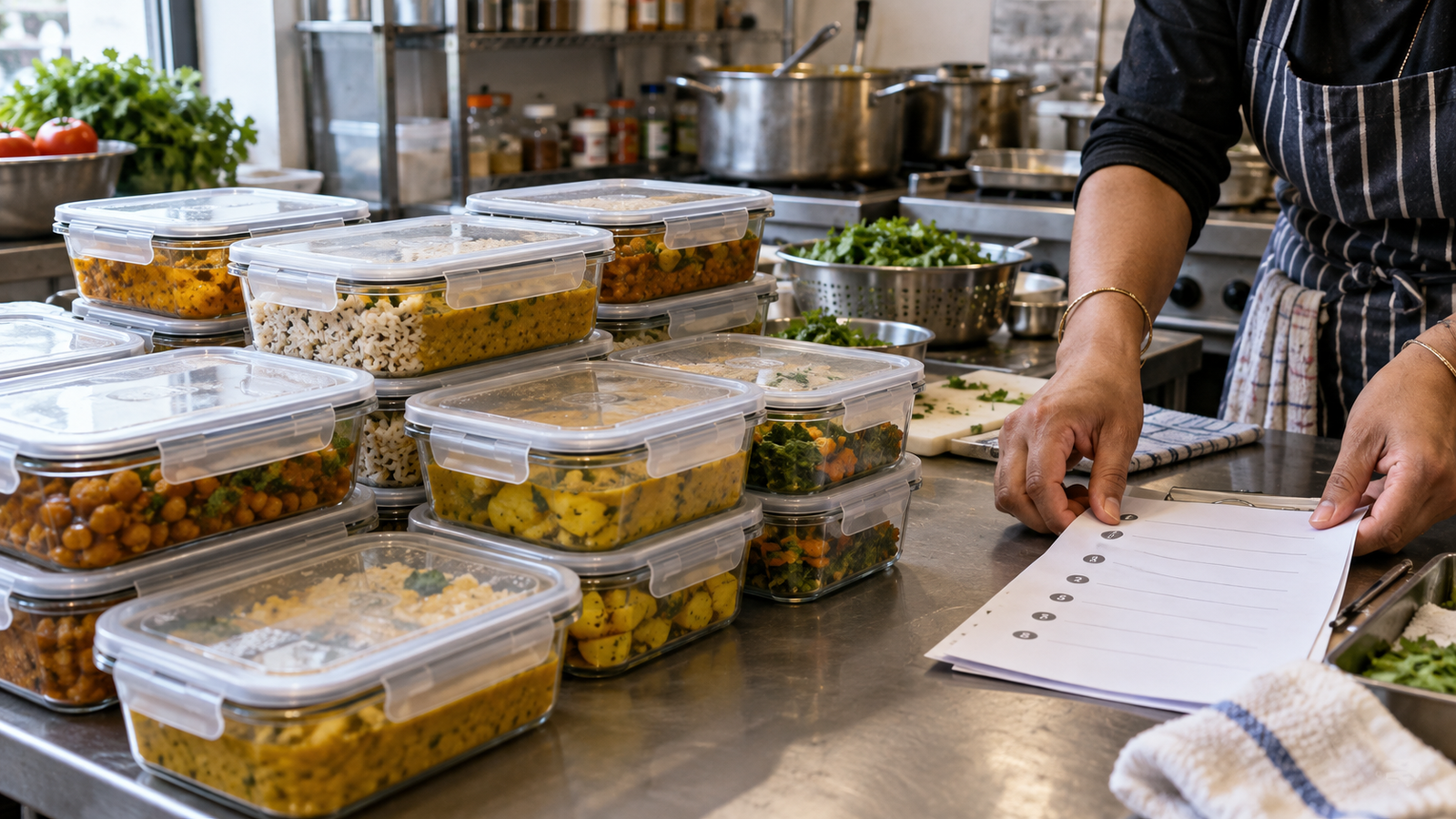
Tiffin and Mess Delivery in Toronto: Keep Meal Subscriptions on Track
Plan Toronto tiffin and mess delivery with clear subscription cutoffs, safe food handoffs, apartment access notes and repeat-route exception rules.
A subscriber writes at 9:40 a.m.: “I’m working from home today. Can lunch go to my condo instead of the office?” The kitchen has already labelled the meal. The driver’s route is nearly set. The request sounds small, but one address change can push another customer past the lunch window they were promised.
For a Toronto tiffin or mess business, the hardest part of delivery is often not the drive. It is keeping a repeating plan accurate while customers pause meals, switch locations and expect food at the right time. This guide focuses on the subscription decisions that a kitchen can settle before the morning rush. It is different from a general meal-prep route because a daily lunch customer may need a fresh decision every weekday.
Give subscribers a clear pause and change rule
Customers need to know when they can pause a meal, change an address or report an absence. The kitchen needs a cutoff early enough to change production, labels and dispatch together. Pick a time your team can honour, publish it at sign-up and repeat it in the weekly reminder. A rule is useful only if the staff actually checks the same source of truth before packing.
Separate a meal pause from a delivery change. If a customer pauses before production, there may be no meal to send. If they change only the address, the meal remains in the count but the route must be reviewed. If they send a message after the cutoff, do not silently promise a new destination. Confirm whether the change is possible and whether timing or price will change. That answer is kinder than a “sure” followed by a cold lunch or missed stop.
Make the billing policy as plain as the route policy. Tell subscribers how a pause affects the plan and when a missed delivery can be credited, replaced or not refunded. The courier cannot decide those terms at a doorstep. Customers should be able to find the answer before they pay for a week of meals.
Build the lunch route around real receiving windows
A subscriber in a downtown office may have a narrow lunch break. Another in a North York condo may work from home but not answer the buzzer during meetings. A third may pick up from a staffed workplace desk. Put those constraints on the stop sheet. Then group stops by geography. A route that looks neat on a map can fail if its first customer cannot receive until noon and the last customer needs food by 12:15.
Record the meal count, name, delivery address, unit, phone, approved handoff and window for each day. If someone orders two meals for one household, mark that clearly. If a customer receives lunch only Monday through Thursday, do not copy Friday’s stop from last week’s template. For larger routes, use a route version or date on the sheet so kitchen and dispatch do not work from different copies.
A repeating route should be stable where it can be and flexible where it must be. The scheduled and recurring delivery service can be discussed with dispatch, but the exact stops, food conditions and time windows still need confirmation.
Keep food condition separate from route speed
A quick drive does not replace a suitable food-safety plan. The kitchen should know whether each meal needs to be held hot, cold or in another approved condition, and should confirm packaging and transport that meet the applicable rules. Sparkle Express should not be assumed to provide refrigerated or heated equipment unless dispatch explicitly confirms it for the job.
Customers also need a clear handoff. The City of Toronto’s food-delivery advice tells consumers to check whether hot food is hot, cold food is cold, packaging is sealed and the food is identified. A mess kitchen can make those checks easier by using secure containers, an order identifier and a direct contact for concerns. Do not leave a meal in a lobby for an unknown period and call it delivered in good condition.
Dietary requests need a separate confirmation path. If a subscriber asks for no peanuts, low spice, vegetarian food or a specific ingredient omission, the kitchen should confirm what it can actually prepare and how cross-contact is managed. The driver should not be the person deciding whether a meal is safe for an allergy. Put the right meal with the right customer before it enters the route.
Plan apartments, offices and missed handoffs
Ask subscribers where a meal can be received. Some buildings will accept a parcel at concierge but not prepared food. Some workplaces have a mailroom far from the lunch desk. A driver may reach the street address on time and still spend ten minutes trying to find an approved entrance. Collect the buzzer, floor, company name, alternate phone and permitted handoff at sign-up, then let customers update those details before the daily cutoff.
Define what happens when nobody answers. The driver can call, dispatch can contact the kitchen, and the kitchen can decide whether a safe authorized receiver exists. Do not have a driver improvise with an unattended doorstep or an unapproved neighbour. If the meal has a time or temperature constraint, that limitation belongs in the exception plan as well as the subscription terms.
Use proof of delivery as a record, not a substitute for conversation. A completion photo or timestamp may help resolve “where is my lunch?” but it does not show that the subscriber consented to a lobby drop. Make the agreed handoff explicit in the route notes.
Reusable containers need their own accounting
Many tiffin services use returnable boxes or bags. That can reduce single-use packaging, but it creates a second movement to track. Decide whether the driver collects empties, whether the customer returns them separately, and how many are outstanding. Do not turn a meal drop into an unplanned search for yesterday’s container while the rest of the lunch route waits.
Keep clean food containers separate from returned ones in your operating process. If a customer forgets to leave a return, mark it for the next agreed collection instead of changing the route on the fly. The order record should distinguish a meal delivered from an empty container collected. That makes disputes less personal and weekly counts much easier.
The morning release check
- Apply pause and address changes received before the published cutoff.
- Match each meal and dietary instruction to the correct subscriber.
- Confirm the required food condition, secure container and piece count.
- Check building access, receiving window and alternate contact.
- Share the dated stop sheet with dispatch and confirm suitability.
- Keep the no-answer and container-return rules available to the team.
Questions meal subscribers and kitchens ask
Can I change my lunch address on the same morning?
Ask the kitchen before its published cutoff. A change after labels or dispatch are finalized may not be possible, or it may change the arrival window and cost. Do not assume a text message to the driver updates the order.
Should a meal be left at the condo concierge?
Only when the building accepts food and the subscriber has approved that handoff. The kitchen also needs to consider the meal’s time and temperature requirements. An unattended lobby is not an automatic fallback.
Who answers allergy questions about a tiffin?
The kitchen must answer from its ingredients and preparation process. A courier cannot verify a recipe or cross-contact controls at delivery.
Can a daily mess route include reusable-container collection?
It can be planned, but count and schedule the returns separately. Tell dispatch which stops have empties and how they will be packed so collection does not unexpectedly delay food drop-offs.
The best subscription promise is one your kitchen can repeat tomorrow. A clear pause rule, a dated stop sheet and an agreed handoff make a daily meal route feel dependable to the person waiting for lunch. For the broader routing pattern, see our meal-prep route guide. The small food business guide covers direct orders that are not subscriptions, and the flower shop guide shows how another local industry handles peak-day promises. If your kitchen has a real stop list, send it to dispatch for a route review.